
SF₆ gas plays two important roles in Gas Insulated Switchgear (GIS): providing electrical insulation between live conductors and the metallic enclosure, and extinguishing electrical arcs in SF₆ circuit breakers. The dielectric strength of SF₆ is approximately three times that of air at the same pressure, allowing GIS installations to be compact. However, maintaining the required gas density and quality is essential for reliable operation.
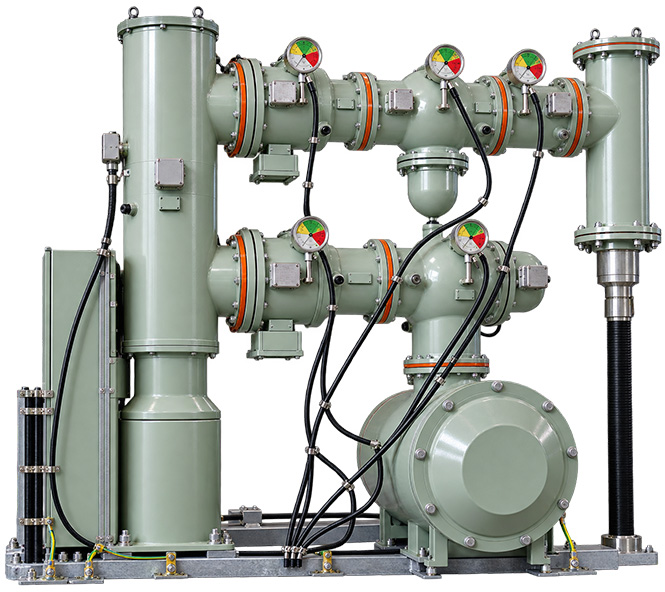
Four major auxiliary components help maintain the insulation performance, facilitate maintenance, and improve the safety of GIS compartments.
Gas Density Monitor
The insulating capability of SF₆ depends significantly on its density. Higher gas density generally provides greater dielectric strength within the normal operating range. However, excessive pressure increases the risk of gas liquefaction at low temperatures. Therefore, the operating pressure must be selected considering the manufacturer’s design and the lowest expected operating temperature.
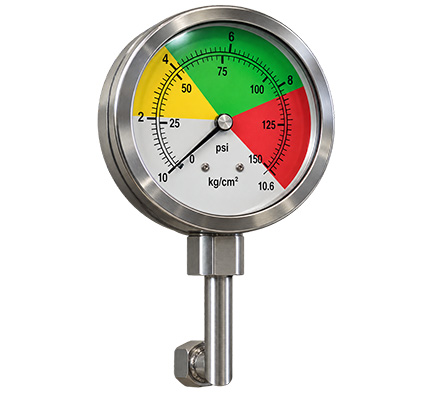
Each independent gas-tight GIS compartment is equipped with a gas density monitor. By accounting for gas pressure and temperature, this device monitors the gas density. If gas leakage occurs, the density decreases. The monitor provides an alarm when density falls below a predetermined limit. A further reduction may initiate an interlocking signal, depending on the equipment design.
Moisture Absorber
Moisture is another important factor affecting SF₆ insulation. During circuit-breaker operation or internal arcing, high temperatures cause partial decomposition of SF₆. Although many decomposition products recombine, some may react with moisture to form potentially harmful chemical byproducts. Moisture can also contribute to partial discharge, particularly when condensation or surface contamination occurs.
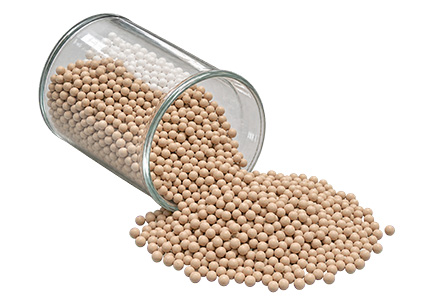
To maintain sufficiently dry gas, GIS compartments are generally provided with moisture absorbers, commonly called desiccants or molecular sieves. These absorb residual moisture, helping preserve the gas’s dielectric properties and reducing undesirable moisture-related decomposition products. The permissible moisture content depends on the equipment design, operating pressure, applicable standards, and manufacturer’s specifications.
Gas Handling Valve
Each independently serviceable GIS compartment generally includes a gas handling valve or gas service connection. This valve allows SF₆ gas to be filled into or recovered from the compartment during installation, inspection, maintenance, and repair. During gas recovery, suitable gas-handling equipment transfers SF₆ into an appropriate storage cylinder or recovery vessel.
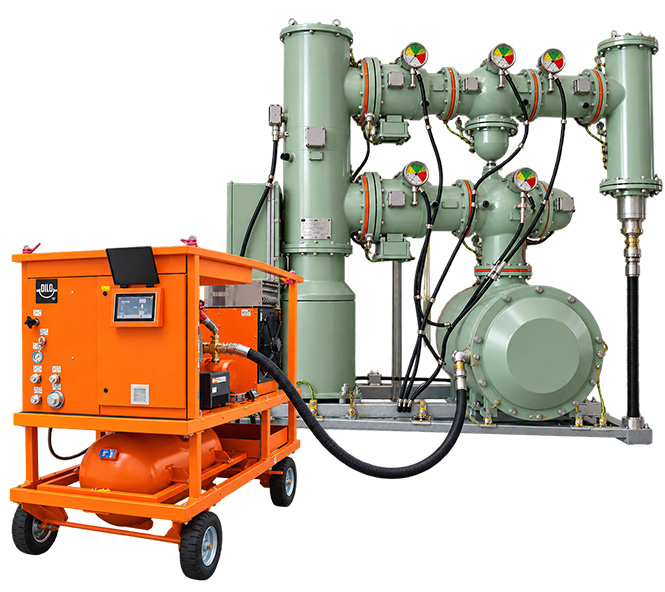
The recovered gas can subsequently be dried, filtered, and treated to remove moisture and other contaminants. If it meets the applicable gas quality requirements, it may be reused. Thus, the gas handling valve facilitates safe gas recovery, processing, and refilling.
Pressure Relief Device
A severe internal arc can release substantial energy within a very short period, rapidly heating the SF₆ gas and increasing the internal pressure. Excessive pressure may damage the GIS enclosure and endanger nearby equipment and personnel. To reduce this risk, GIS compartments are provided with pressure relief devices, often designed as bursting diaphragms.
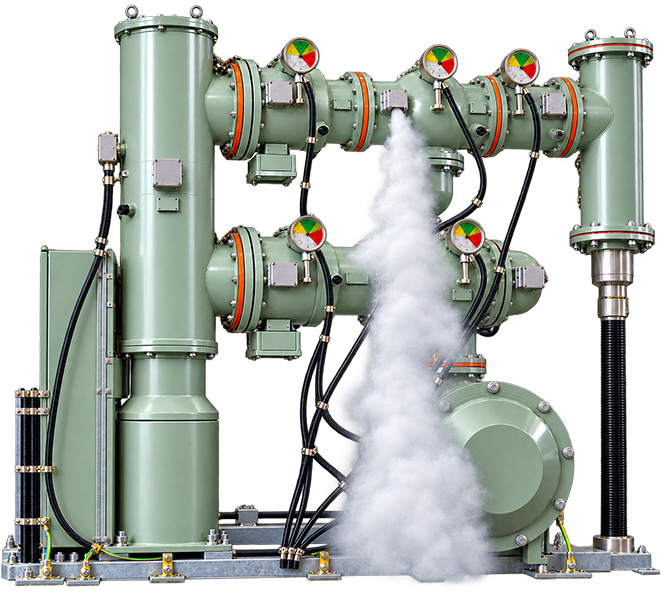
Under normal conditions, the diaphragm remains intact, maintaining gas tightness. When internal pressure exceeds the specified opening pressure, the diaphragm ruptures, allowing high-pressure gas to escape through a controlled opening. This limits pressure buildup and reduces the risk of uncontrolled enclosure failure, although it cannot guarantee prevention of internal damage.